Surviving Unannounced Audits: The 45-Second Digital Sync
When the auditor arrives at 6:00 AM, manual paper logs are a liability. Learn how automated digital compliance frameworks guarantee instant FSSAI audit readiness.
In high-output manufacturing plants across Howrah, Hooghly, and the greater Kolkata industrial corridors, operational downtime is calculated in lakhs per hour.
When facility managers attempt to protect these high-value environments using traditional indoor pest control methods, they expose their production lines to massive risk. If a vendor is placing chemical bait stations or sticky traps next to your automated assembly lines, your biosecurity strategy is fundamentally flawed.
Trapping a vector inside your facility means your perimeter has already been breached.
Traditional pest management operates on a reactive mathematical model: wait for a percentage of the vector population to infiltrate, and then attempt to reduce that number internally.
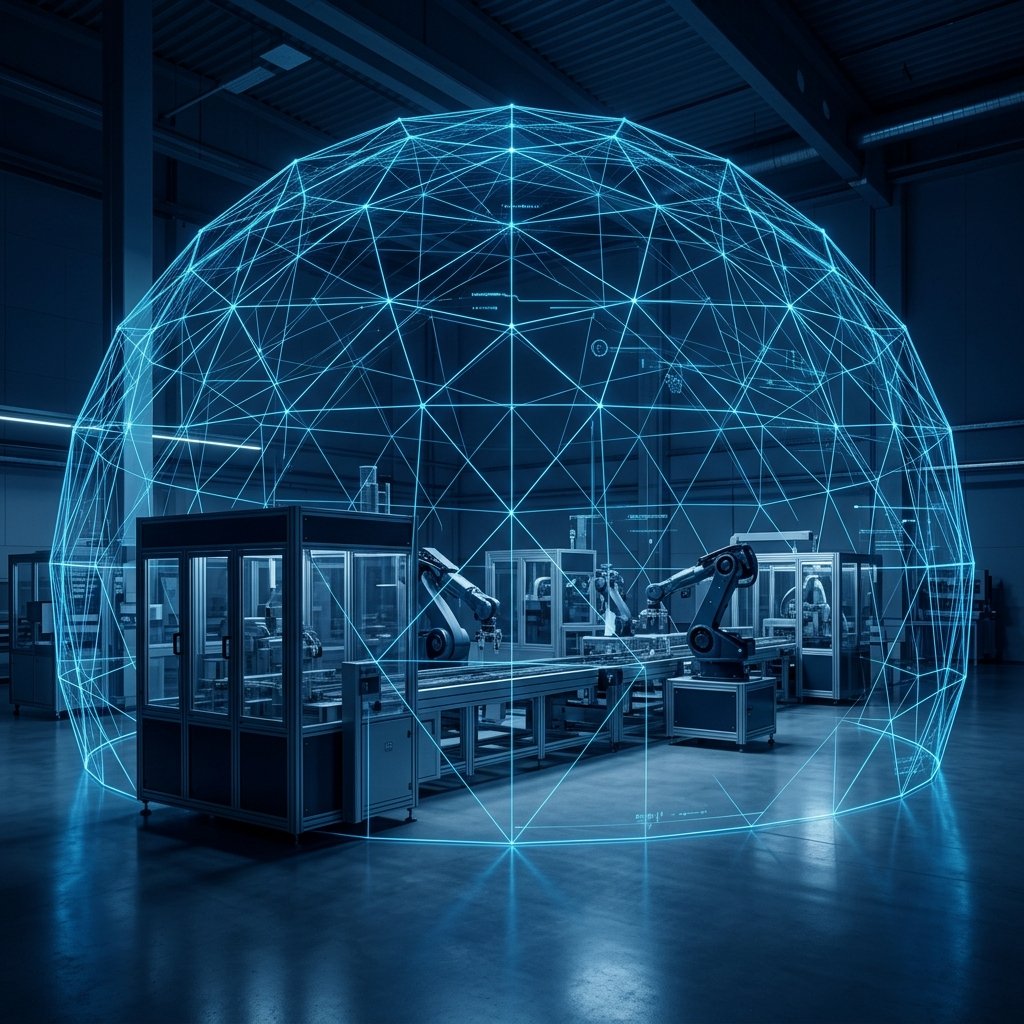
MMS Pest Control Systems fundamentally shifts the battleground away from your production floor. We engineer Spatial Exclusion Zones that prioritize absolute perimeter security.
Protect your active production lines by securing your perimeter. Graduate to engineered spatial exclusion.
Get a free, no-obligation engineering assessment to establish your facility's spatial exclusion zone.
A spatial exclusion zone is an engineered environmental hygiene framework that focuses on physically sealing a building's exterior perimeter. By deploying structural barriers and advanced perimeter monitoring, it prevents biological vectors from ever entering the internal production or storage areas.
Perimeter pest control stops biological threats at the building's edge. Indoor trapping only addresses a problem after the vector has already breached the facility, which creates an unacceptable window of time where food products, sterile equipment, and employee health can be compromised.
MMS Systems utilizes structural vector exclusion. This involves conducting a thorough architectural audit, sealing subterranean utility conduits, securing loading dock doors with high-grade barriers, and establishing continuous interception loops on the exterior of the property.